Your nervous system is in survival mode.
It can be regulated.
Nervous system recovery for professional women experiencing burnout, chronic stress, and autonomic dysregulation.
Sessions target vagal tone, HRV coherence, and polyvagal function — measured outcomes, not vague wellness claims.
within 8 sessions
reduction
physiological shift
Burnout is not a mindset problem
Chronic occupational stress produces measurable changes in autonomic nervous system function. The dorsal vagal shutdown state — what you experience as exhaustion, detachment, and cognitive fog — is a physiological response, not a character deficit.
Conventional approaches address symptoms: rest, therapy, medication. None of them target the underlying autonomic dysregulation.
Nervous system recovery works at the source.
-
Wake at 3am, mind running scenarios you can't stopSympathetic hyperactivation — elevated cortisol blocking sleep architecture
-
Exhausted but unable to rest, wired and depleted simultaneouslyMixed autonomic state: dorsal vagal fatigue with persistent sympathetic activation
-
Decisions that used to take seconds now take hoursPrefrontal cortex suppression under chronic threat-response activation
-
Disconnected from your body, flattened affect, no access to pleasureDorsal vagal immobilization — the autonomic emergency brake engaged
What nervous system recovery actually involves
A structured clinical protocol targeting the autonomic nervous system through three convergent mechanisms.
Autonomic Assessment
Each session begins with a baseline autonomic state evaluation: respiratory pattern, vagal tone indicators, and HRV proxy markers. Protocol is adjusted per session based on current state — not a fixed script.
Vagal Nerve Activation
Targeted interventions engaging the vagus nerve to shift autonomic state from sympathetic dominance toward ventral vagal activation. Includes respiratory patterning, biofield coherence protocols, and co-regulation.
HRV Coherence Training
Heart rate variability coherence work trains the autonomic nervous system toward greater flexibility and resilience. Outcomes are measurable: HRV scores, sleep quality indices, stress response latency.
The protocol draws on established clinical literature: Porges' polyvagal theory (2011), peer-reviewed HRV studies showing measurable autonomic improvement from targeted vagal interventions, and Oschman's work on biofield coherence and nervous system regulation (2015). This is applied neuroscience, not wellness practice. Nervous System Recalibration does not diagnose or treat medical conditions. See full disclaimer below.
From first contact to measurable shift
Three stages. No intake forms that disappear. No six-week waitlist. Sessions begin within days.
Intake Assessment
A 30-minute intake call to map your current autonomic baseline, symptom history, and relevant context. This determines the starting protocol configuration.
30 min · ComplimentaryInitial Protocol (4 Sessions)
Four sessions delivered remotely over 4 weeks. Each session 50 minutes. Protocol is adjusted in real-time based on autonomic response. Most clients report perceptible shift by session 3.
50 min/session · Remote via Google MeetAssessment & Continuation
After the initial block, a 20-minute review session assesses measurable changes in sleep, HRV indicators, and stress response. Continuation or protocol adjustment based on outcomes.
20 min · Review + next stepsSessions available Monday–Friday, 8am–6pm EST
What changes — and how we measure it
Outcomes are tracked against baseline measures established in the intake session. This is not subjective impression — it is physiological shift documented across sessions.
Standard markers tracked: resting HRV, sleep latency and fragmentation, perceived stress index, executive function self-report, and somatic anxiety indicators.
If the protocol is not producing measurable change by session 4, the approach is modified. There is no standard trajectory — only calibrated response to your autonomic system.
Check if You Qualify* Outcomes based on session records. Individual results vary. Nervous System Recalibration is not medical treatment. Consult your physician before beginning if you have cardiovascular or psychiatric conditions.

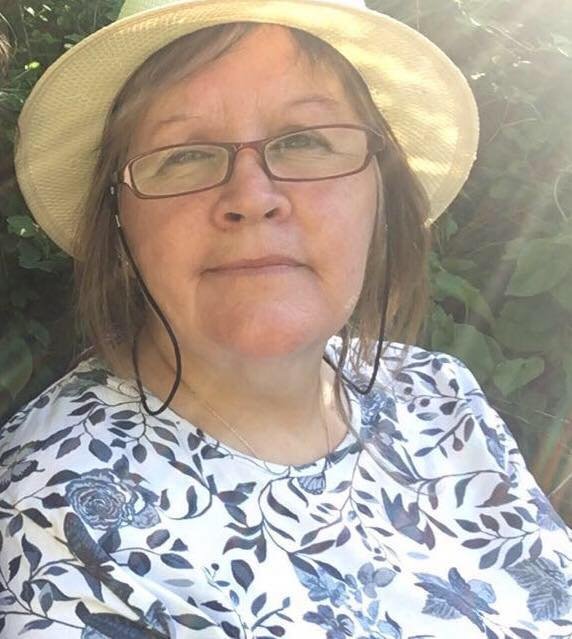
In 2023, I had a stroke at 57. The neurological recovery that followed gave me a precise, first-person understanding of what it means for a nervous system to be forced to rebuild its regulatory architecture from partial function.
The protocol I use now is not derived from wellness literature. It emerged from necessity — from needing to understand, at a clinical level, what autonomous nervous system regulation actually requires and how to measure whether it is occurring.
I work with professional women experiencing burnout because the autonomic pattern is nearly identical to what I navigated post-stroke: a system stuck in protective shutdown, unable to find its way back to ventral vagal regulation without targeted intervention.
Full background and methodology →What shifts. In their words.
I had suffered for years with no lasting relief from conventional approaches. My session with Vincent was 30 minutes. Within minutes I felt a release throughout my entire body. Headache gone. Weeks later — still clear. I had no framework to explain it, but the physiological shift was undeniable.

I felt quite lost, stuck, and in pain before working with Vincent. He worked with me through a difficult recovery period — the process addressed not just the physical symptoms but what was underneath them. I now feel centred, calm and functional again.

After a single 20-minute session with Vincent, my breathing was the best it had been in years. More energy, clearer function. I had no explanation for the mechanism — only for the result. I would recommend his work to anyone who has exhausted conventional options.
Three entry points. One protocol.
All sessions delivered remotely via Google Meet. No long-term commitment required for single sessions.
One 50-minute session. Appropriate for follow-ups or first exploration.
- 50-minute remote session via Google Meet
- Autonomic state assessment
- Vagal activation protocol
- Post-session notes within 24h
3 sessions + intake assessment. The standard starting protocol for measurable outcomes.
- 30-min intake assessment (included)
- 3 × 50-minute sessions
- Protocol adjusted per session
- HRV baseline + post-block comparison
- Post-session notes each session
- Email support between sessions
6 sessions + full outcome tracking. For sustained autonomic recalibration.
- 30-min intake assessment (included)
- 6 × 50-minute sessions
- Bi-weekly session cadence
- Full HRV tracking across program
- Mid-program protocol review
- Priority scheduling
- 30-day email support post-program
What you're probably asking
Is this therapy or coaching?
Neither. This is a clinical protocol targeting autonomic nervous system function. It is not psychotherapy, medical treatment, or coaching. No diagnosis is made. Think of it as applied neuroscience: targeted intervention for measurable physiological outcomes.
How long before I see results?
Most clients report perceptible change — in sleep quality, stress response, or energy — within 2–3 sessions. Measurable HRV improvement is typically documented by session 4–5. The protocol is calibrated to your autonomic response, not a fixed timeline.
Do sessions have to be in person?
All sessions are delivered remotely via Google Meet. The protocol does not require physical proximity. You need a quiet space and approximately 60 minutes for the session and transition time.
What if I'm skeptical about whether this works?
Healthy skepticism is appropriate. The intake assessment establishes a baseline you can measure against. You will have data — HRV proxies, sleep logs, self-report indices — before and after the initial block. No belief required.
How is this different from meditation or breathwork?
Meditation and breathwork are self-directed practices. This is a targeted clinical protocol with real-time assessment and adjustment. The difference is the same as between stretching at home and working with a physiotherapist — both involve the body, but the mechanism and precision differ entirely.
Is there a commitment required?
No long-term commitment is required. You can book a single session to assess fit. The Initial Protocol Block of 3 sessions is recommended for measurable outcomes, but there is no obligation to continue beyond what you book.
Your nervous system can regulate.
The question is when.
The intake assessment is 30 minutes, complimentary, and gives you a baseline measure of your current autonomic state — regardless of whether you continue.